How Not to Lose Yourself After Immigration

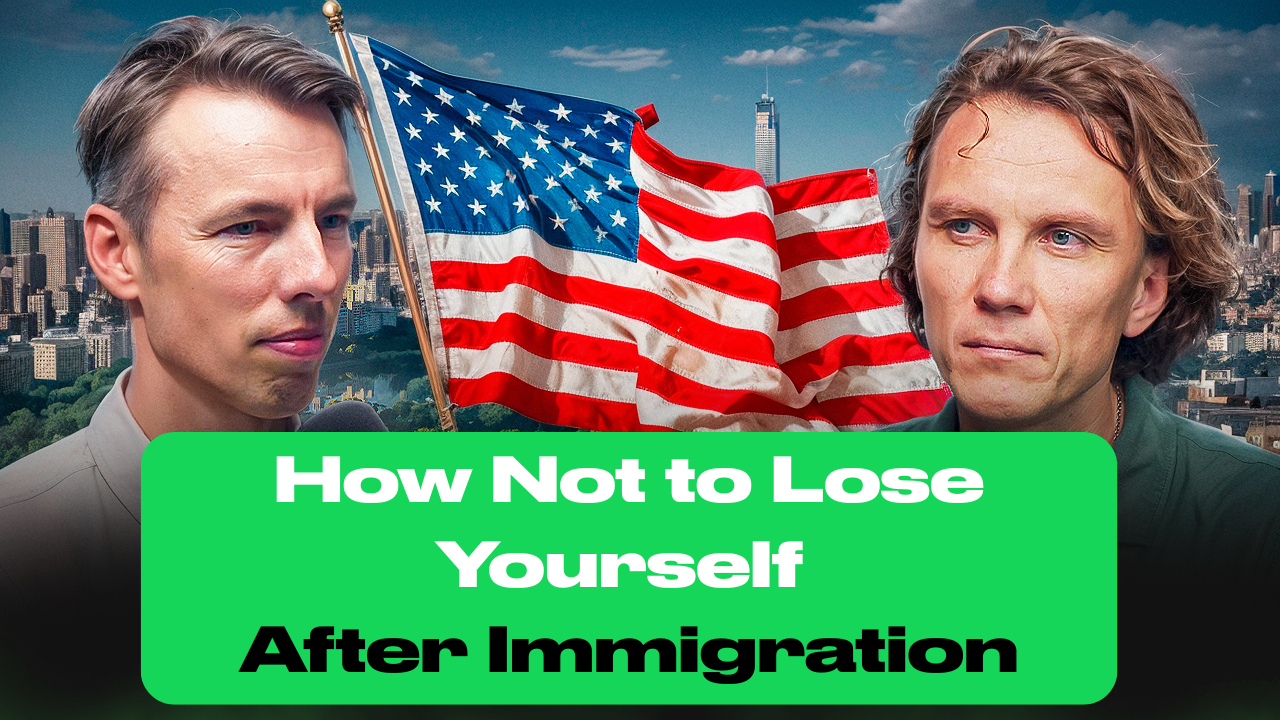
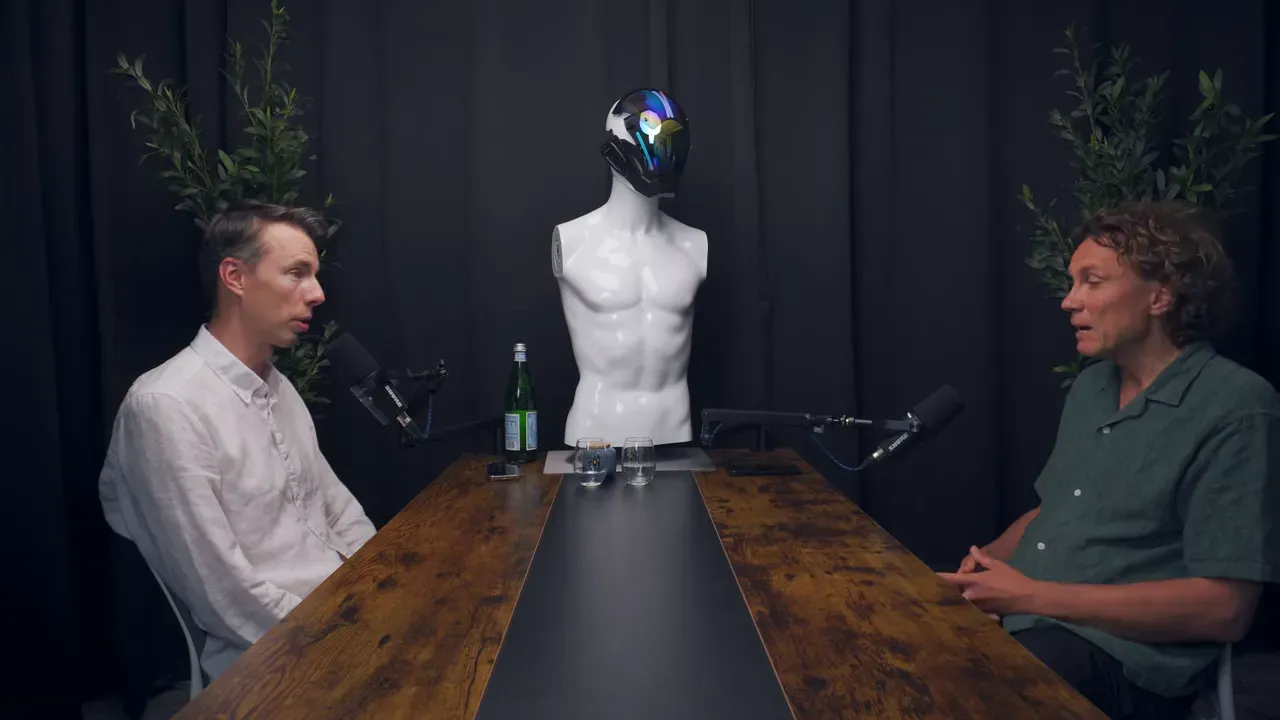
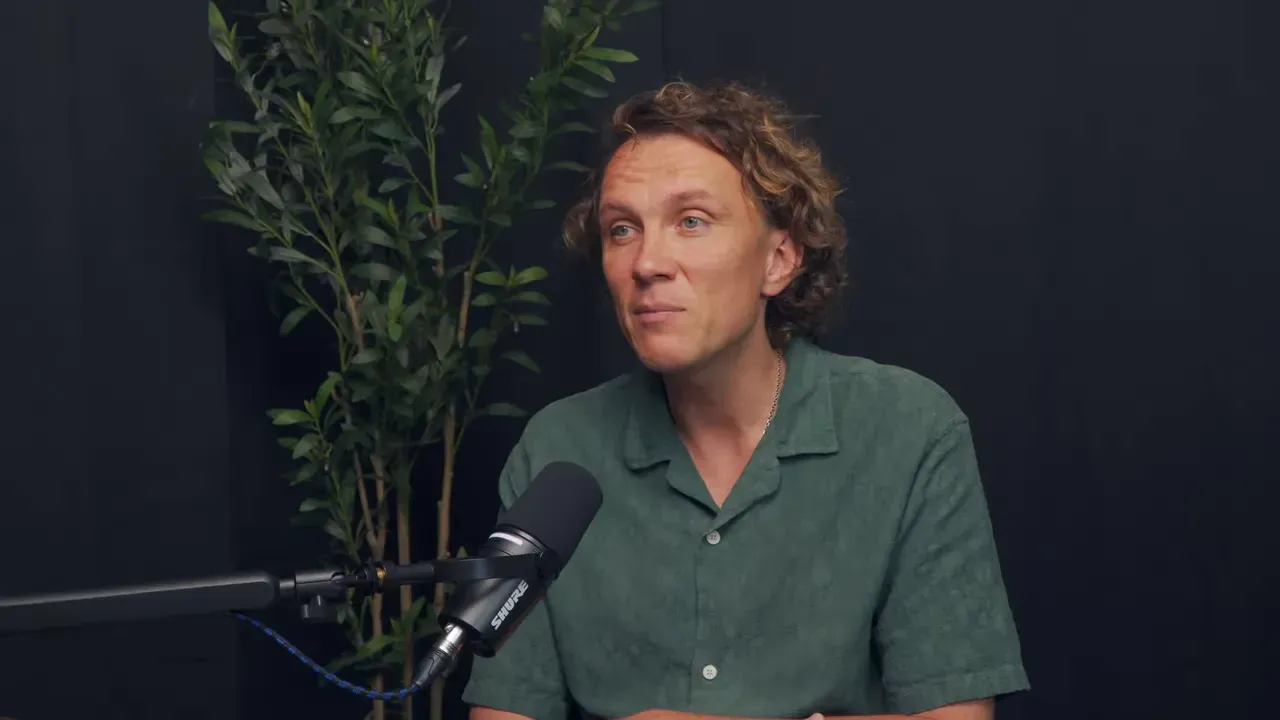
On the Life in the USA channel, we recently published an interview with Alexander Volchek — a seasoned entrepreneur, former CEO of GeekBrains and Megaplan, business mentor, and spiritual guide.
But this article is not simply a recap — it’s a reflection. Using Alexander’s story as a lens, we’ll explore what truly drives successful people to leave their home countries, the hidden emotional toll of relocation, and how to preserve your identity when rebuilding life and career from scratch in a foreign land.
Is Immigration a Form of Escape — or a Natural Next Step?
For Volchek, immigration wasn’t triggered by a linear chain of events. Instead, it was an inner signal — “a space opened up” — that called for change. What followed was months of family dialogue, introspection, and preparation. Much like his earlier move from Minsk to Moscow, this wasn’t running away from something — it was stepping toward something unknown, but intuitively necessary.
How Do You Choose Where to Settle in the U.S.?
Alexander emphasizes that most external advice — “move to Austin,” “California is too expensive,” “your kids won’t like public schools” — often misses the point. Instead of chasing certainty, his family experimented. They lived in different places for a few months at a time — Irvine, parts of Europe and Indonesia — until their documents came through.
Eventually, a spontaneous drive led them to Los Altos Hills. It felt right. A quick conversation with landlords turned into a lease — and a new chapter began.
How Do You Keep Your Business Alive When You Leave the Country?
Volchek transitioned out of the CEO role while negotiating a remote advisory position. His teams were solid, systems were in place, and the company could run without him. His example proves that, with the right structure, relocation doesn’t have to mean disruption — but it requires maturity and trust.
He also candidly admits: if that plan hadn’t worked, he would’ve walked away. And that would’ve been okay too.
Money, Identity, and Mental Anchors
Volchek doesn’t treat “money” as a one-dimensional issue. He unpacks it along several axes: luck vs. effort, spending habits, energy flow. Moving at 40 with a mortgage and a reputation is mentally harder than moving at 25 with a suitcase — not due to the numbers, but the identity tied to those numbers.
His advice? Have an honest conversation with your partner about budget expectations. Define what you’re truly willing to give up.
Should You “Set Up the Business First, Then Immigrate”?
Not necessarily. Many assume the safest route is to build remotely first, then move. But for Volchek, presence in Silicon Valley added access to ideas, talent, and opportunities that enhanced the value of his ventures. Sometimes, the move itself is the catalyst for growth.
How Do You Avoid Being Overwhelmed by Other People’s Opinions?
One of Alexander’s most important insights is the concept of “recommendation aggression.” Well-meaning family and friends can project their own fears: “It’s expensive,” “It’s bad for kids,” “You should go to Florida instead.”
His counterstrategy? Ask your inner circle for support, not direction. Set emotional boundaries to protect your focus.
Spiritual Wisdom in a Practical World
Volchek distinguishes between happiness and harmony. The pursuit of happiness, he argues, can become a trap. Instead, he advocates for alignment with universal laws, inner calm, and flexibility — recognizing that life offers both clarity and fog, and both are okay.
What Changes When You Move to California?
Beyond weather or lifestyle, Volchek notes the invisible “energies” of different neighborhoods. Los Altos Hills, Palo Alto, Mountain View — each has a distinct vibe. His takeaway? Don’t chase the perfect place. Follow the resonance. Find where your rhythm matches the local energy.
Five Tips for Immigrant Founders
- Don’t rush decisions — give yourself a year to adapt.
- If possible, live in different areas before committing.
- Talk openly with your partner about finances and limits.
- Evaluate business opportunities not just by profit, but network access.
- Filter advice — especially from people who’ve never lived abroad.
Did the Move Increase His Income?
“Life got better,” Volchek says — but not necessarily richer in dollar terms. Being in the U.S. gave him access to new clients and ventures, some of which wouldn’t have been possible otherwise. The move became a multiplier — not just of revenue, but of relevance.
Final Thoughts
Two ideas echo across immigrant founder stories:
- Relocation is rarely just a logical move — it’s a feeling. An internal readiness. A “space” that calls you.
- Success abroad isn’t just about preparation — it’s about recognizing randomness and turning it into opportunity.
If you’re preparing for your own move: accept the uncertainty, build a solid foundation (financial, emotional, practical), and stay open. Sometimes, it’s the unexpected detour that leads to the most meaningful destination.