7 Lessons from Mark Kofman on Building Lean Tech


1. Experience is an advantage, not a liability
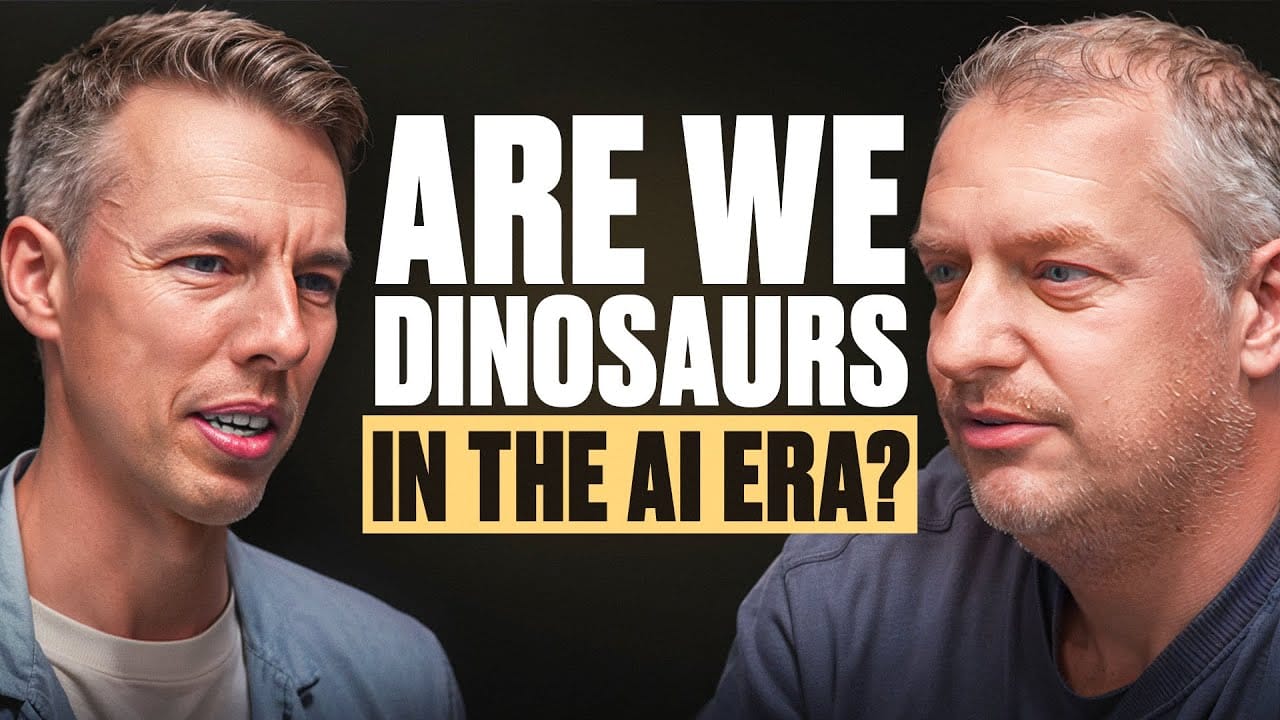
Mark argues that older founders are not dinosaurs in the AI era. The real edge comes from the ability to ask the right questions. Experience lets people identify what they do not know and then frame precise, high-value queries for AI tools. That combination of domain knowledge and question-framing often makes senior builders more effective than younger peers who may have raw energy but less context.
2. Young people bring new habits, but schools slow them down
He acknowledges a clear advantage for younger generations: fewer entrenched habits and more time spent experimenting. When talented young people spend long hours coding and building for fun they develop instincts that lead to different architectures and solutions. At the same time, traditional education often forbids useful tools like conversational AI, which creates a friction point for classroom learning versus practical building.
3. Build for the things that will not change: micro-products over monoliths
Mark follows a core philosophy inspired by long-term thinking: focus on what will not change in 10 or 20 years rather than chasing rapidly shifting tooling. In practice this means reimagining CRM as a set of small, focused products rather than one massive monolith. Instead of forcing companies into a single monolithic CRM, his approach is to build many plug-and-play micro products that solve specific problems and can be swapped out without breaking the whole system.
4. Launch fast, learn faster: the power of a day-10 customer
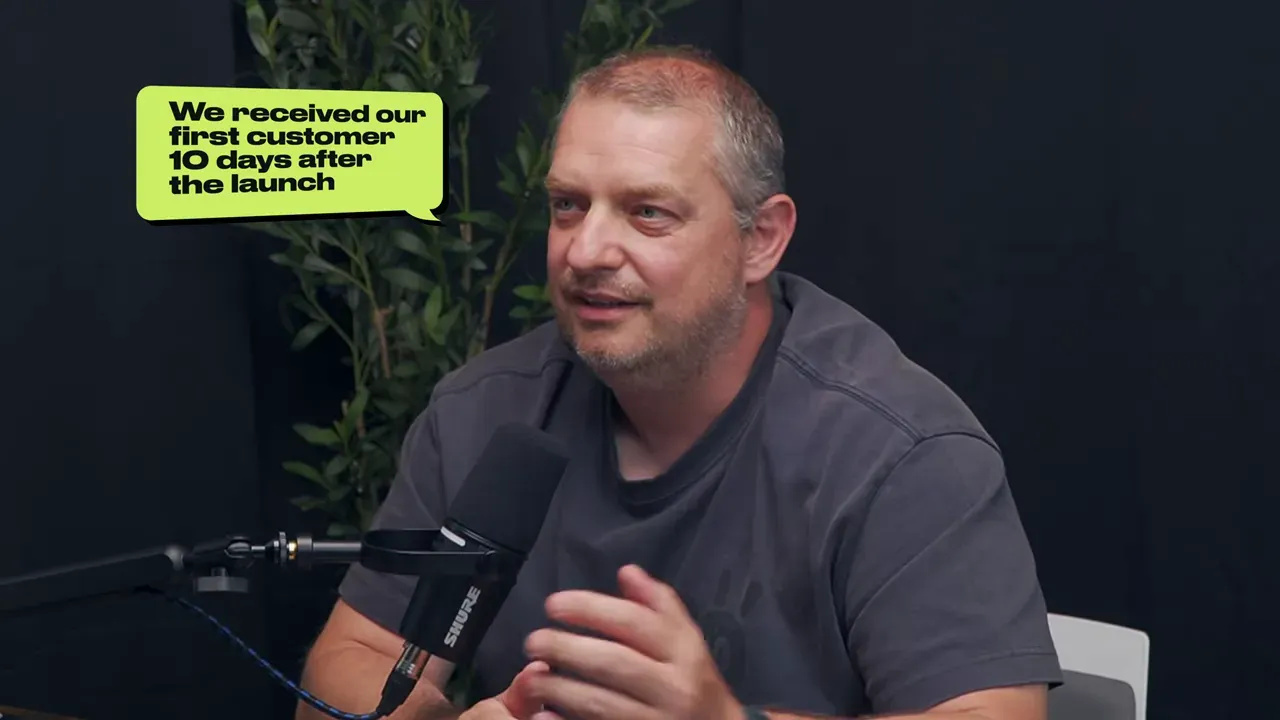
Speed matters. Mark highlights a psychological shift: startups do not need months to create something customers will use. With modern tools and a bias toward building, teams can assemble an idea, launch an MVP, and land their first customer in days. This rapid cadence turns product development into iterative learning rather than long, uncertain research phases. He also notes that mastering a single AI tool deeply can accelerate research and hypothesis testing.
5. Protect your business with volume and customer closeness
Instead of obsessing over patents or uncopyable features, Mark protects the business by running a broad pipeline: build many small products, expect a handful to succeed, and keep iterating. If a competitor copies one micro-product, the team is already working on dozens of others. Equally important is staying close to customers. Mark’s teams prioritize building the tools customers explicitly ask for, which raises the success rate of new products.
6. A hybrid studio model: leaders with horizontal resources
Parma CRM operates as a hybrid: each micro-product has a leader who acts like a founder, and the organization supplies horizontal resources such as marketing and engineering. That structure lets a one or two person team build a SaaS product that would previously have required dozens of hires. The primary hiring criterion is will: people who want it badly enough to build something zero to one earn a spot. The team is global; location does not matter as long as the person shows hunger and delivery capacity.
7. Make bigger bets beyond AI tools and guard against burnout
Although AI is used as tooling across the organization, Mark prefers to invest in problem domains that will remain relevant for decades. He lists healthcare and food as two high-impact industries that need entrepreneurship and long-term fixes. Healthcare, in particular, still suffers from messy data, poor interoperability, and regulatory pain that create big opportunities for durable businesses.
On personal sustainability, Mark recommends structuring work like a tennis match: short sprints with small rests in between. Small naps and micro-recoveries during the day preserve energy and prevent burnout while keeping a high overall tempo.
Are older founders obsolete in the AI era?
No. Experience provides the ability to ask better questions of AI tools and to prioritize what matters. Experience combined with modern tools often yields higher effectiveness than raw energy alone.
Why build many micro-products instead of a single CRM?
Micro-products let teams replace or upgrade components quickly without breaking an entire system. This plug-and-play approach matches fast innovation cycles and reduces long-term technical debt associated with monoliths.
How fast can a small team launch a usable product?
With the right focus and tooling, an idea can reach its first customer within days. Mark describes a product that landed its first customer on day 10 after assembling pieces and launching an MVP.
What does Parma CRM look for when hiring?
The single most important criterion is will. Candidates who want to build something zero to one, who can contribute skill and hunger, are a fit regardless of geography or background.
Is AI the main business opportunity to chase now?
AI is a powerful tool and will transform many workflows, but it also changes rapidly. Mark treats AI as tooling to accelerate work while targeting long-lived problem domains like healthcare and food for durable businesses.