Rhythmic Gymnastics in the USA vs Russia


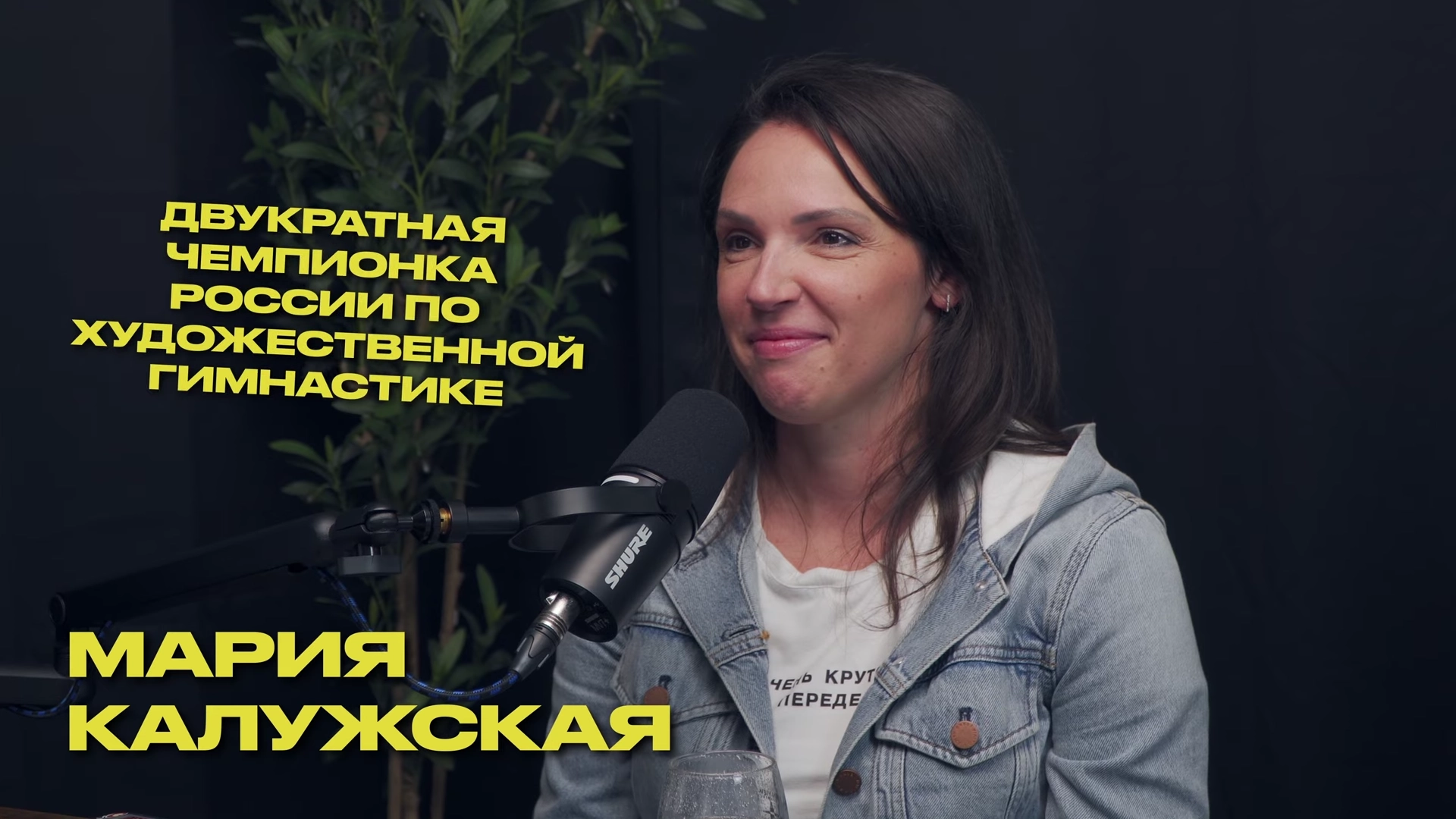
The world of rhythmic gymnastics is often perceived as a blend of grace and extreme discipline. In a recent in-depth interview, Maria Kaluzhskaya, a former Russian national gymnast and founder of Champion Rhythmics in San Diego, shared her unique perspective on building a sports career and a business in the United States. This review explores the key features, pros, and cons of the American gymnastics system through the lens of an elite professional.
The Journey from Elite Athlete to Business Owner
Maria's story is a classic tale of unexpected transformation. Originally arriving in the US for a summer vacation, she eventually transitioned from a student of sports direction in Moscow to a prominent coach in San Diego. Her professional foundation was built in the rigorous Russian system, where she trained alongside legends like Alina Kabaeva.

Key Features of the US Rhythmic Gymnastics System
One of the most striking differences Maria highlights is the cultural approach to training. In Russia, the mindset is often "if sport interferes with studies, drop the studies," involving 10-hour training days. In contrast, the US system prioritizes academic achievement, often treating sports as a secondary activity or a "service" provided to parents.
Pros:
- Growing Popularity: Thanks to leaders like Caroline Hunt and historic wins by athletes like Rin Keys, the sport is expanding rapidly.
- Discipline for Youth: It remains one of the best sports for girls to develop focus, coordination, and physical strength.
- High Coaching Standards: There is a growing pool of international professional coaches bringing elite knowledge to US clubs.
Cons:
- High Financial Burden: Professional gymnastics in the US is incredibly expensive for parents, covering coaching, travel, and equipment.
- Lack of College Pathways: Unlike artistic gymnastics or volleyball, rhythmic gymnastics lacks a significant presence in American universities, limiting scholarship opportunities.
- Systemic Competition Issues: The "level" system often pits younger, high-intensity athletes against older beginners, leading to demotivation.
The Evolving Landscape of Success
Despite the hurdles, the US is making strides. The historic silver medal win by Rin Keys at the World Championships serves as a beacon of hope for American gymnasts. However, Maria notes that for the sport to truly thrive, it needs more mass participation and better "bench depth" similar to the Russian system.

Deep Roots and Global Influences
Maria’s coaching philosophy is deeply influenced by the giants of the sport. Training in an environment shaped by figures like Irina Viner and alongside teammates like Kabaeva provided her with a blueprint for excellence that she now adapts for the American market.
Challenges in the American Competition Circuit
Maria provides a balanced assessment of the current competition rules. She points out that the regional system can be unfair; highly talented gymnasts in competitive regions like California or Florida may miss out on Nationals, while less skilled athletes from weaker regions qualify easily.

Personal Reflections and the Future
As an immigrant business owner, Maria faces the constant pressure of high costs in California and the emotional weight of being separated from her roots. She remains a staunch believer that sport should transcend politics and unite people, even as she observes the tragic impact of current international bans on athletes.

Final Assessment and Recommendation
Recommendation:
For parents looking for a sport that builds character, elegance, and extreme discipline, rhythmic gymnastics is an excellent choice. However, Maria recommends entering the sport with a clear understanding of the financial and time commitments required.
To the US Gymnastics Federation, the recommendation is clear: simplify the entry-level rules to keep kids engaged and work aggressively toward establishing college-level programs to give these athletes a viable future pathway. Rhythmic gymnastics in America is at a crossroads, and with the right structural changes, it could become a mainstream powerhouse.